
Introduction
As decorative surfaces continue to evolve across home appliances, interior panels, and consumer products, manufacturers are looking for efficient ways to create visually distinctive finishes without sacrificing durability or productivity.
UV transfer technology has become an increasingly adopted solution for producing high-definition textures and structured surfaces on PMMA substrates. By combining precise texture replication with fast UV curing, manufacturers can achieve premium appearance and reliable long-term performance.
Surface Decoration Challenges of PMMA
PMMA is widely recognized for its excellent transparency and weather resistance, making it a preferred material for decorative and functional applications.
However, traditional decoration methods often face limitations such as:
· Limited texture definition
· Reduced optical clarity
· Complex processing steps
· Insufficient scratch resistance
· Inconsistent surface quality
As product appearance becomes more important, manufacturers are seeking coating technologies capable of delivering both aesthetics and durability.
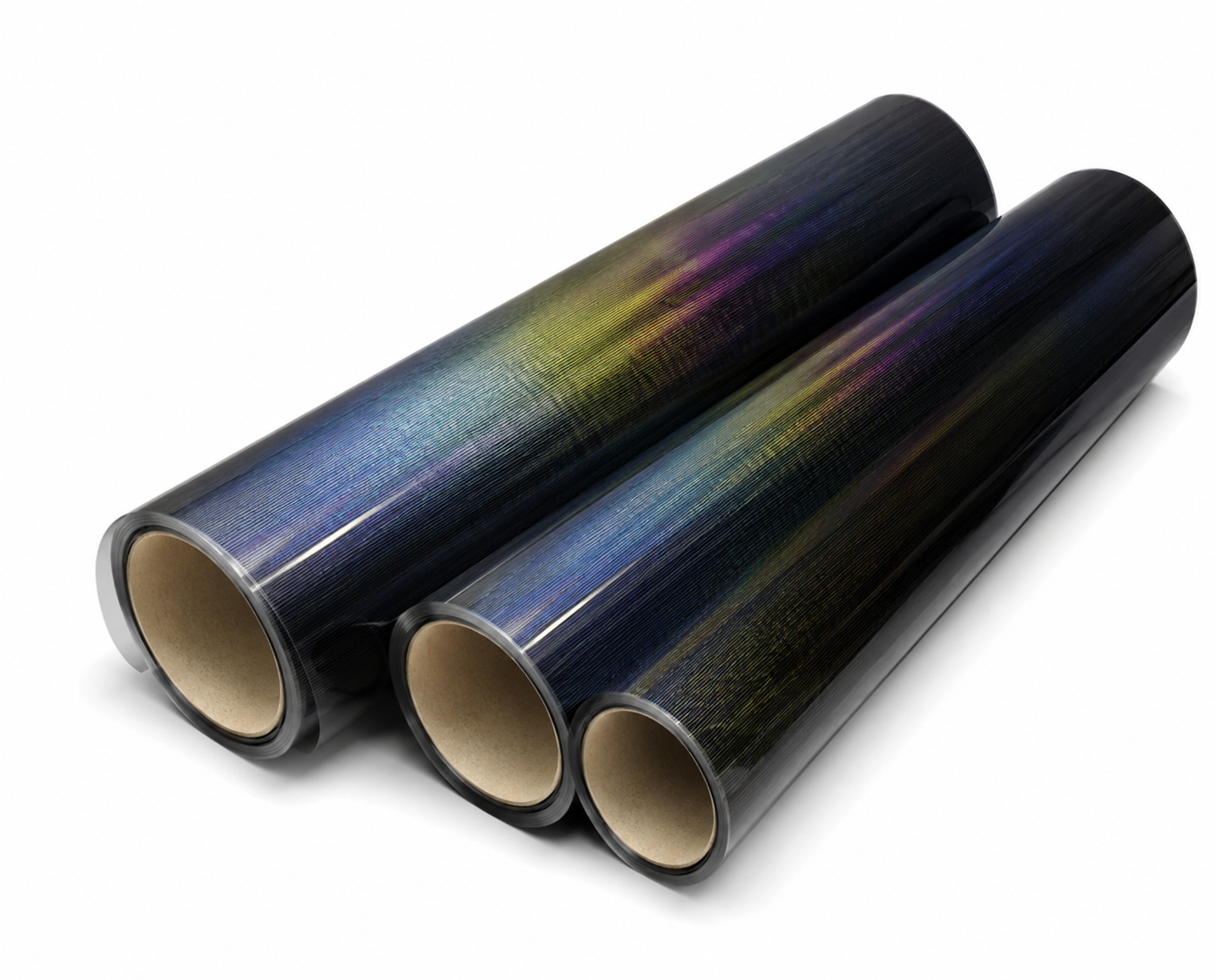
UV Transfer Technology for Precision Surface Replication
UV transfer enables decorative patterns to be transferred directly onto coated PMMA surfaces through structured molds, texture films, or embossing rollers.
After coating application, the liquid layer replicates the texture geometry and is rapidly cured under UV exposure, forming a stable and durable decorative surface.
This process offers several advantages:
· Excellent texture replication
· High production efficiency
· Consistent surface quality
· Reduced processing time
· Flexible decorative possibilities
Performance Requirements for Decorative PMMA Coatings
Successful texture transfer depends on coating performance beyond simple curing.
Key requirements include:
Low Shrinkage
Controlled curing shrinkage helps preserve fine texture details.
Excellent Release Properties
Smooth demolding ensures accurate surface formation.
High Transparency
Maintains PMMA visual clarity and premium appearance.
Scratch Resistance
Improves long-term surface durability.
Stable Adhesion
Supports reliable performance under demanding environmental conditions.
Typical Applications
UV casting coatings are increasingly used in:
· Decorative appliance panels
· PMMA display boards
· Switch panels
· Furniture decorative surfaces
· Lighting panels
· Interior decorative components
· Consumer electronic housings
Enabling More Design Possibilities for PMMA Surfaces
Decorative coating technologies continue to move toward higher efficiency, finer textures, and better durability.
UV casting systems provide manufacturers with greater design flexibility while maintaining production consistency and product performance.
For applications requiring transparent appearance, texture precision, and surface protection, UV casting technology remains an effective solution for modern PMMA surface decoration.
#UVAdhesive #TransferCoating #UVBonding #PMMA #FastCuring #AbrasionResistance #HightHardness #TransparentLiquid #UVTechnology #BoilWaterResistance #PrecisionBonding #AdhesiveSolutions #ManufacturingEfficiency #UVsupplyer #UVcastingcoating #ElectronicsManufacturing #OpticalApplications


Contact Us