
The appearance of consumer electronics has become almost as important as their functionality. From smartphones and smart home control panels to household appliances and wearable devices, manufacturers are constantly seeking new ways to create products that stand out through both design and durability.
Among the various surface decoration technologies available today, decorative polycarbonate (PC) films have gained increasing attention due to their ability to combine visual appeal, protection, and manufacturing efficiency.
The Growing Demand for Decorative PC Films
Modern consumers expect electronic devices to offer premium finishes, sophisticated textures, and long-lasting appearance. Traditional decoration methods such as screen printing and conventional coatings often struggle to meet these expectations, especially when complex patterns or three-dimensional effects are required.
Decorative PC films provide an effective alternative by allowing manufacturers to create:
High-gloss decorative surfaces
Fine texture patterns
Functional control panels
Scratch-resistant protective layers
Lightweight and durable components
As a result, decorative PC films are widely used in smartphones, membrane switches, smart home products, and appliance control interfaces.
Why Surface Transfer Technology Matters
The quality of a decorative film depends not only on the film itself but also on the transfer technology used during manufacturing.
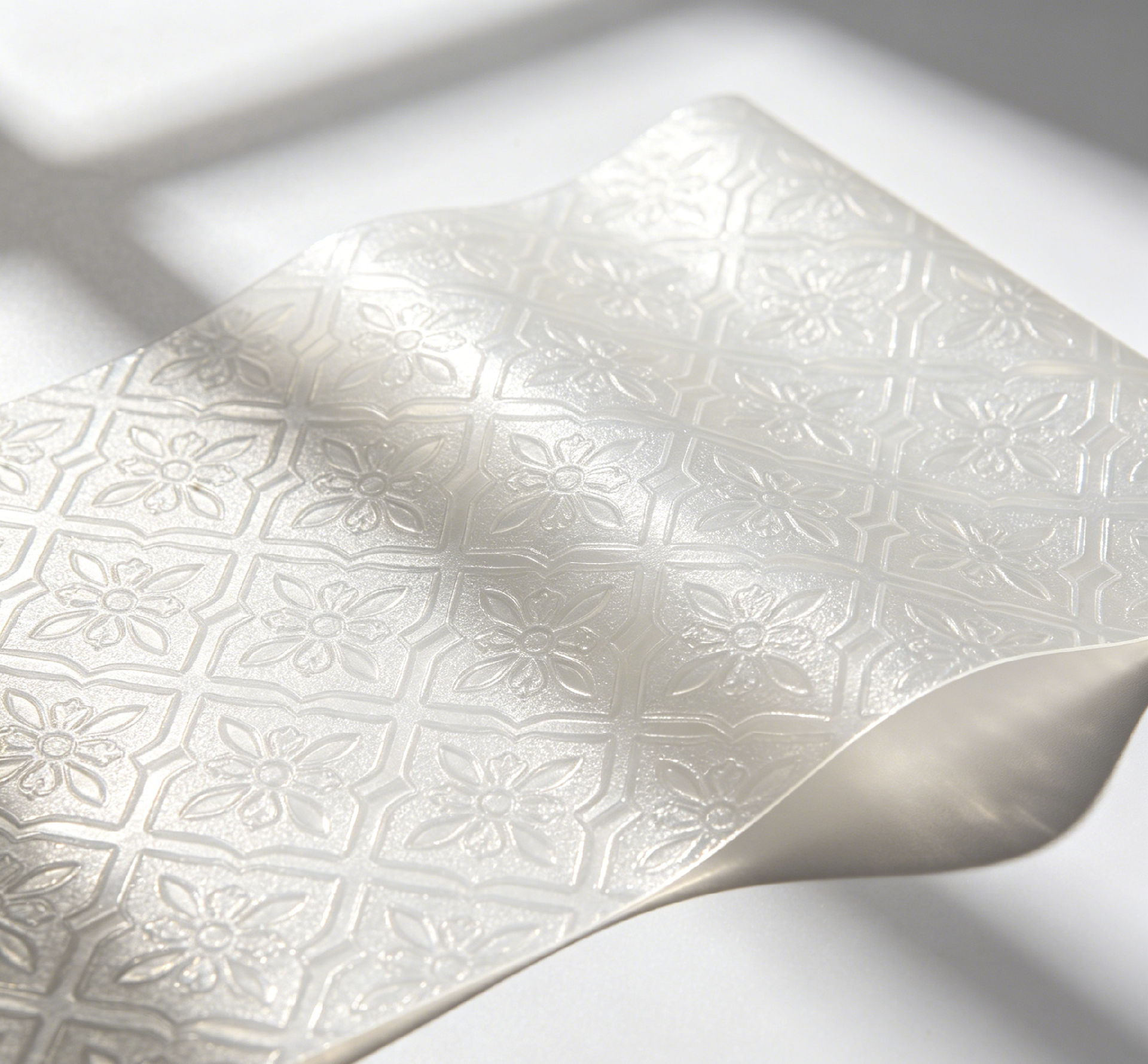
Surface transfer technology enables manufacturers to reproduce detailed textures and patterns with high consistency. Whether creating a subtle matte finish, a high-gloss effect, or a complex decorative texture, the transfer layer plays a critical role in determining the final appearance.
A high-quality transfer system helps ensure:
Accurate texture replication
Uniform surface appearance
Excellent transparency
Long-term durability
Stable production efficiency
Challenges Facing Decorative Film Manufacturers
As product designs become more sophisticated, manufacturers face several common challenges during production.
One challenge is maintaining transparency while preserving decorative details. Poor optical clarity can reduce the visual impact of the final product. Another issue is flexibility. Decorative films often undergo bending, forming, or assembly processes. If the transfer layer lacks flexibility, cracking may occur during processing.
Long-term durability is also essential. Decorative surfaces must withstand moisture, heat, UV exposure, and everyday wear without losing their appearance or adhesion.
These requirements have increased demand for advanced UV-curable transfer materials capable of balancing appearance and performance.
The Role of UV Transfer Coating in Modern Decoration
UV transfer adhesives have become an important part of decorative film manufacturing because they combine rapid curing with excellent surface performance.
Compared with conventional systems, modern UV transfer materials offer several advantages:
Fast production cycles
High transparency
Strong adhesion
Good flexibility
Low shrinkage after curing
Excellent weather resistance
These characteristics help manufacturers achieve premium decorative effects while maintaining efficient production processes.
Supporting Next-Generation Smart Devices
As smart devices continue to evolve, decorative films are expected to play an even greater role in product design.
Applications such as touch control panels, smart home interfaces, appliance displays, and consumer electronic accessories increasingly require decorative surfaces that combine aesthetics with functional performance.
Advanced UV transfer technologies provide manufacturers with the flexibility needed to meet these changing requirements while ensuring long-term product reliability.
Conclusion
Decorative PC films have become an important solution for modern consumer electronics because they offer an effective combination of design flexibility, durability, and manufacturing efficiency.
As market expectations continue to rise, high-performance UV transfer materials will remain essential for creating decorative surfaces that not only look attractive but also maintain their appearance throughout the product's service life.
Manufacturers seeking to improve texture quality, transparency, and durability are increasingly turning to advanced UV transfer technologies to support the next generation of electronic product design.
#UVVarnish #UVCuring #TransferCoating #UVCoating #BOPPFilm #FilmCoating #TransferAdhesive #UVCurableCoating #HighGlossCoating #SurfaceProtection #IndustrialCoatings #PackagingMaterials #FlexiblePackaging #FilmSurfaceTreatment #UVCoatingTechnology #ProtectiveCoatings #UVResin #AdvancedCoatings #FilmManufacturing #WoodCoating


Contact Us