
Introduction
For many years, PET films were primarily selected for protection, transparency, and process efficiency.
Today, expectations have changed.
In consumer electronics, decorative panels, smart home products, and appliance surfaces, PET is increasingly being used as a visible design element rather than a hidden structural material.
Manufacturers are no longer asking how to coat PET.
They are asking how to transform PET into a surface with texture, depth, and premium visual identity.
This shift is driving growing interest in UV transfer and casting technologies.
Surface Design Is Becoming a Manufacturing Process
Traditional decoration methods usually apply appearance after the substrate is formed.
Printing, laminating, embossing, and post-finishing all add visual effects at later stages.
Transfer coating introduces a different concept.
Instead of decorating the surface afterward, the surface itself is engineered during coating formation.
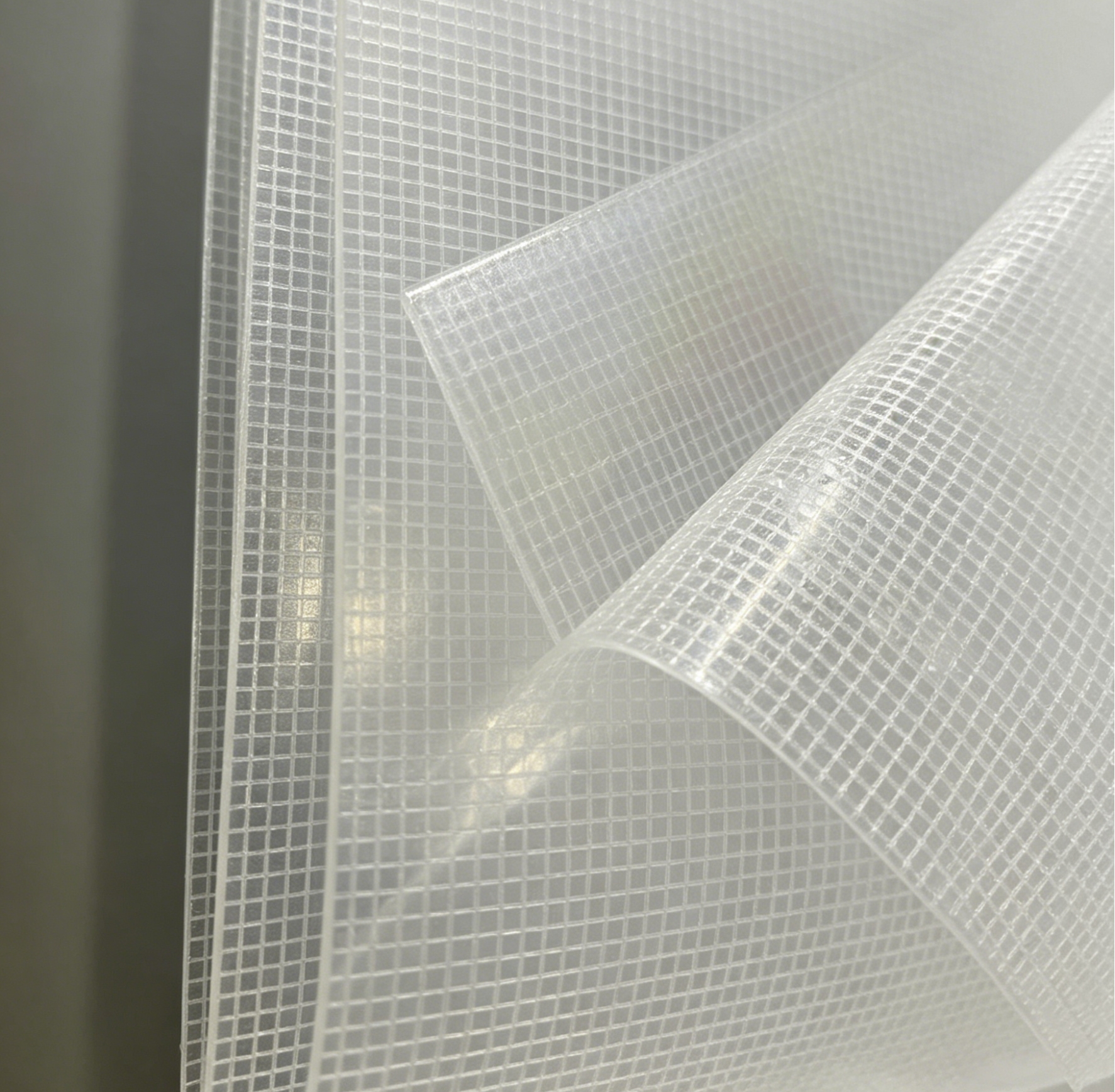
Through controlled UV curing and structure replication, textures and optical effects become part of the cured coating layer.
The result is not simply a decorated PET film—it becomes a designed surface.
Texture Is Becoming the New Language of Product Appearance
Modern product design increasingly relies on how a surface interacts with light.
Consumers may not recognize coating technology, but they immediately notice:
· Surface depth
· Reflection behavior
· Touch perception
· Texture consistency
· Premium visual feel
This is one reason textured PET surfaces are gaining attention across multiple industries.
Subtle structures that are nearly invisible under direct viewing can completely change how a product appears when exposed to movement and lighting.
Surface engineering is becoming part of brand differentiation.
Replication Accuracy Determines Surface Value
Creating a texture is relatively easy.
Maintaining that texture after curing, handling, and long-term use is significantly more difficult.
In transfer coating applications, the coating must reproduce microstructures while preserving:
· Structural clarity
· Optical transparency
· Release consistency
· Scratch resistance
· Environmental stability
Small variations during coating flow or curing can alter the final visual result.
For this reason, transfer coatings are increasingly evaluated not only by hardness or adhesion—but by their ability to preserve design intent.
Enabling More Flexible PET Surface Development
SQ-710006 UV Transfer/Casting Coating is developed to support structured surface formation directly on PET substrates.
The system is suitable for multiple transfer approaches including mold transfer, roller transfer, and texture film processes.
Typical development directions include:
· Decorative protective films
· Consumer electronics surfaces
· Mobile accessory panels
· Appliance decorative layers
· Functional textured PET applications
By integrating texture creation and UV curing into one process, manufacturers gain greater freedom in developing differentiated surface effects.
The Future of Decorative Films Is Not Flat
As decorative requirements continue to evolve, manufacturers are moving beyond simple color and gloss control.
The next stage of PET development is becoming more structural, more functional, and more design-oriented.
Texture, reflection, and tactile experience are becoming part of product engineering.
Transfer coating is helping bridge the gap between manufacturing efficiency and advanced surface design.
#PETDecorativeFilm #UVTransferCoating #TexturedPET #SurfaceEngineering #DecorativeFilm #PETFilm #UVCoating #TransferCoating #ConsumerElectronicsSurface #ApplianceDecorativeFilm #SmartHomeDesign #ProductDifferentiation #SurfaceTexture #UVTechnology #AdvancedMaterials #IndustrialCoating
Contact Us