
Transparent UV coatings are particularly important in electronics where the coating should not interfere with the visual clarity or functionality of the device. These coatings are often used in applications such as display screens, optical components, and even protective coatings for PCB surfaces. Transparent UV coatings offer the same protective properties as other UV coatings, but with the added benefit of being optically clear.
Smartphone Screens and Tablets
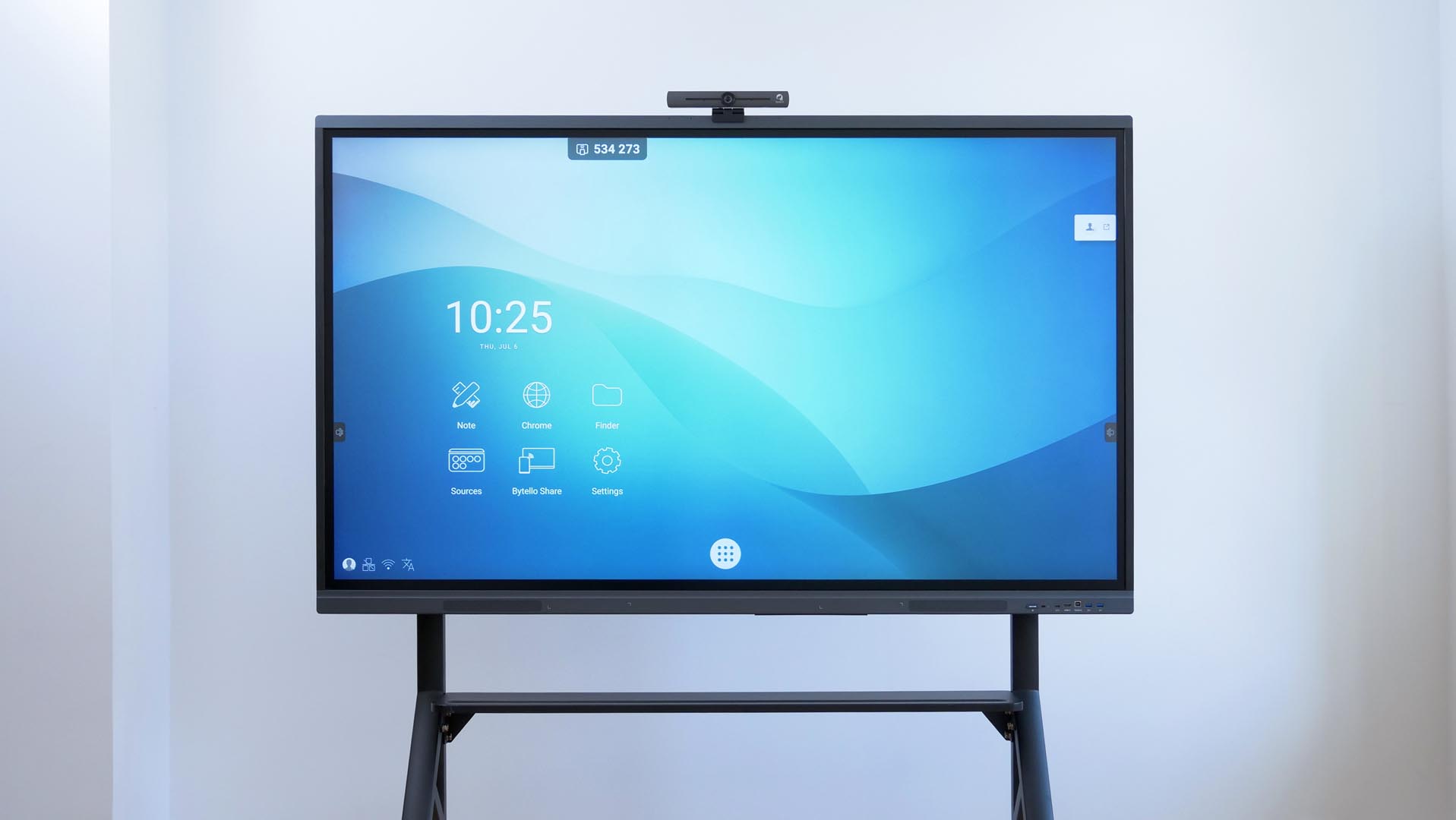
Transparent UV coatings are widely used on smartphone and tablet screens to protect against scratches, smudges, and wear without altering the appearance or touch sensitivity of the screen. These coatings provide an additional layer of protection while preserving the clarity and visibility of the screen, which is crucial for users who rely on their devices for display quality and interaction.

Displays and Touch Panels
UV coatings are also used in other display technologies, such as touch panels, LCD screens, and OLED displays. Transparent coatings help protect the sensitive surface of the display from mechanical stress, dust, and moisture while maintaining high transparency to allow optimal image quality.
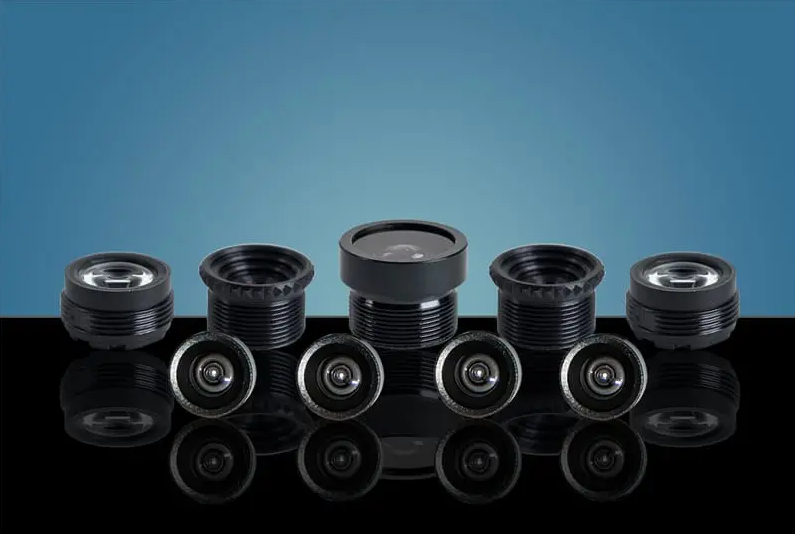
Optical Lenses and Sensors
In the case of optical lenses and sensors, transparent UV coatings are applied to provide protection without affecting the lens’s optical properties. These coatings are used to improve scratch resistance, prevent discoloration from UV light exposure, and shield lenses from environmental damage while ensuring that the lenses retain their ability to transmit light without distortion.
How to Optimize the Chemical Resistance of UV Coatings
Chemical resistance is a critical property for UV coatings used in electronics, as these coatings need to withstand exposure to various substances, including cleaning agents, oils, solvents, and other chemicals. Optimizing the chemical resistance of UV coatings can improve the durability of electronic components and extend the life of the product.
Selecting the Right Resin and Monomers
The base materials used in UV coatings, such as resins and monomers, play a significant role in determining the chemical resistance of the coating. Selecting high-performance resins with excellent chemical resistance properties is key to ensuring that the coating can withstand exposure to various chemicals without degrading. For example, polyurethane-based or epoxy-based UV coatings offer enhanced chemical resistance compared to other formulations.
Incorporating Crosslinking Agents
Crosslinking agents are chemicals that help improve the hardness and chemical resistance of UV coatings by creating a network of chemical bonds between molecules. The more crosslinked the coating is, the harder and more resistant it will be to chemical attack. By optimizing the crosslinking density during the curing process, manufacturers can enhance the chemical resistance of the coating.
UV Curing Conditions
The curing process is critical to the performance of UV coatings, and proper curing is essential for achieving the desired chemical resistance. Under-curing or over-curing can both affect the coating's properties, including its chemical resistance. UV curing should be optimized in terms of light intensity, curing time, and the type of UV light used to ensure a uniform and complete cure that maximizes the coating’s durability and resistance to chemicals.
Additives and Stabilizers
The addition of specific additives, such as stabilizers, can improve the chemical resistance of UV coatings. Additives like antioxidants, UV stabilizers, and corrosion inhibitors can enhance the coating’s ability to withstand exposure to aggressive chemicals or environmental factors that could otherwise degrade the coating’s integrity.
Conclusion
UV coatings play an essential role in enhancing the durability and performance of electronics by providing protection against environmental stress, scratches, and chemical exposure. From protecting PCBs and touchscreens to safeguarding optical components, UV coatings offer a reliable solution for improving the longevity and functionality of electronic devices. Transparent UV coatings provide an additional layer of protection without compromising optical clarity, while optimized formulations and curing processes can enhance the chemical resistance of UV coatings.
As electronic devices become increasingly complex and sensitive, the role of UV coatings in improving durability and extending product life will continue to grow, ensuring that electronics maintain their performance and appearance for years to come.
#UVTechnology #ConsumerElectronics #UVCoatings #EcoFriendlyElectronics #SurfaceProtection #SustainableManufacturing #MaterialScience #TechInnovation #AdvancedMaterials #Industry4_0 #UltraThinCoatings #AntiReflectiveTech #FlexibleElectronics #OLEDProtection #WaterResistantCoatings #LowVOCMaterials #HeatDissipationTech #TransparentConductiveCoatings #WearableDeviceProtection #SmartphoneDurability #CircularEconomy #GreenChemistry #EnergyEfficientTech #EURO7Compliance #ElectronicsRecycling #BioBasedCoatings #ZeroWasteTech #ConsumerDemandTrends #ESGInnovation #EcoDesignSolutions



Contact Us