
In the electronics industry, protecting sensitive components from external damage, wear, and environmental stress is crucial to ensuring longevity and reliable performance. UV coatings have become a vital solution for improving the durability of various electronic parts, including printed circuit boards (PCBs), touchscreens, and optical components.
In this article, we will discuss how UV coatings protect these electronics, the applications of transparent UV coatings, and how to optimize the chemical resistance of UV coatings.
UV Protection for PCBs, Touchscreens, and Optical Components
PCBs (Printed Circuit Boards)
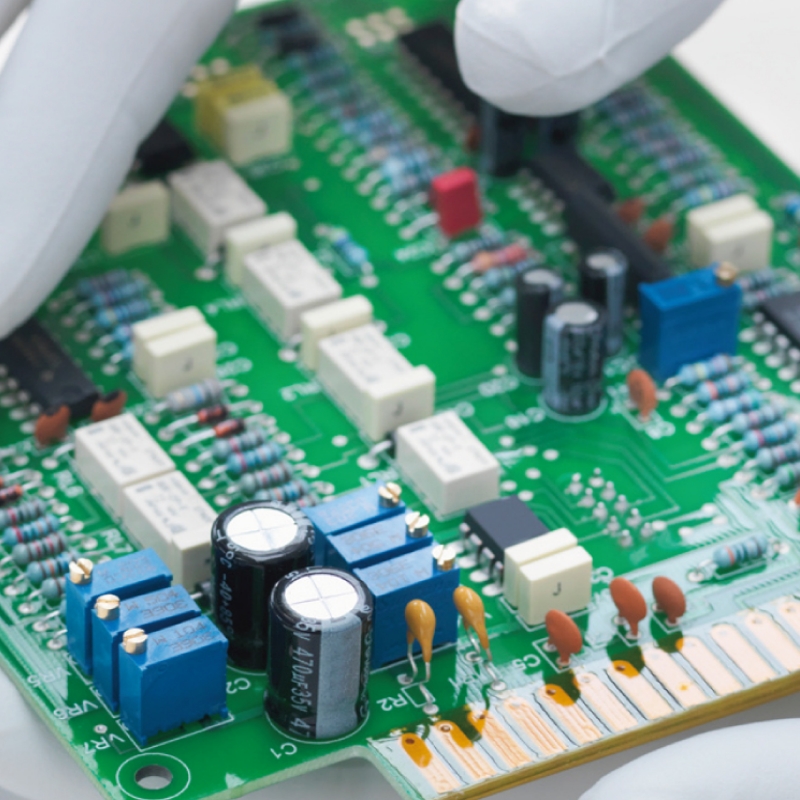
Printed circuit boards (PCBs) are the backbone of modern electronics, providing the necessary connections between components. However, PCBs are often vulnerable to moisture, dust, and mechanical stress, which can lead to corrosion, short circuits, and failure. UV coatings offer a protective layer that shields PCBs from environmental factors, ensuring their reliability and extending their lifespan.
The benefits of UV coatings for PCBs include:
Moisture Resistance: UV coatings form a barrier that prevents moisture ingress, which is one of the main causes of PCB failure, especially in humid environments.
Mechanical Protection: The hard, durable finish provided by UV coatings protects the delicate components on the PCB from physical damage and wear.
Electrical Insulation: Some UV coatings also provide electrical insulation, helping to reduce the risk of short circuits or leakage currents in complex PCB designs.
Touchscreens
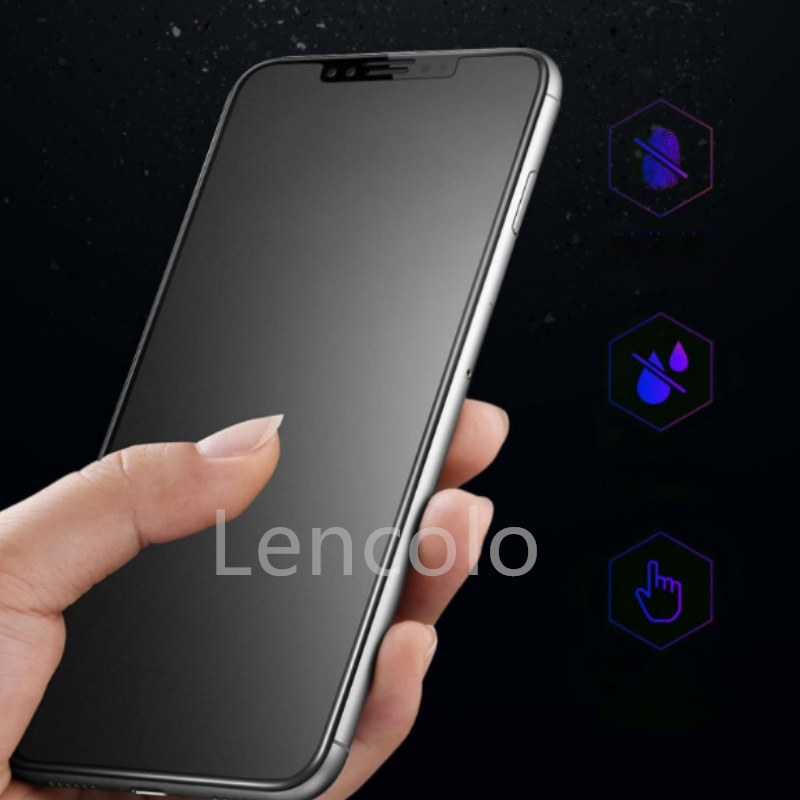
Touchscreens, found in devices such as smartphones, tablets, and kiosks, are subject to frequent use, scratches, and exposure to oils and chemicals. UV coatings are essential in enhancing the durability and performance of touchscreens, providing both protective and functional benefits.
Key advantages of UV coatings for touchscreens include:
Scratch Resistance: UV coatings create a hard, scratch-resistant surface that helps maintain the clarity and smoothness of the touchscreen.
Fingerprint and Smudge Resistance: Certain UV coatings are designed to resist fingerprints and smudges, keeping the screen cleaner for longer and improving the user experience.
UV Protection for Display: UV coatings help protect the display screen from degradation caused by prolonged exposure to ultraviolet light, which can cause discoloration and reduce the screen's visibility.
Optical Components
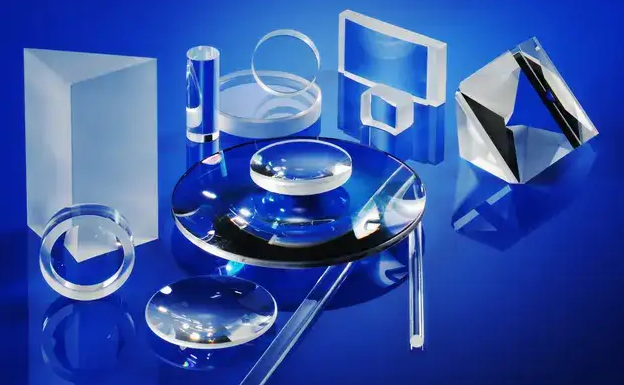
Optical components, such as lenses, displays, and sensors, require coatings that can withstand environmental stresses while maintaining high optical clarity. UV coatings are used extensively to improve the durability of these components without affecting their optical performance.
For optical components, the benefits of UV coatings include:
Scratch Resistance: UV coatings help to prevent surface scratches, which can degrade the optical clarity and performance of lenses and displays.
UV Light Protection: UV coatings protect optical elements from degradation caused by exposure to UV radiation, which can yellow or damage the material over time.
Environmental Protection: UV coatings act as a protective layer against dust, moisture, and chemicals, ensuring that optical components maintain their functionality and appearance in various environments.
#UVTechnology #ConsumerElectronics #UVCoatings #ElectronicCoatings #SmartDeviceTech #SurfaceProtection #AntiScratchCoatings #FastCuringTech #EcoFriendlyElectronics #HighGlossFinish #5GDeviceMaterials #WearableTech #SustainableManufacturing #UVResistant #DurableCoatings #AntiFingerprintTech #MobileDeviceCoatings #TechInnovation #MaterialScience #GreenElectronics #ThinFilmCoatings #ConsumerTech #AdvancedMaterials #UVAdhesives #PrecisionCoating #FlexibleDisplayTech #HeatResistantCoatings #IndustrialDesign #FutureOfTech #InnovationInCoatings #ElectronicsProtection #SmartphoneCoatings #ChemicalEngineering #TechTrends #MiniaturizationTech #LightweightMaterials #EnvironmentalTech #LinkedInTech #Industry4_0 #NextGenElectronics



Contact Us