
The automotive industry has seen significant advancements in coating technologies, with UV coatings emerging as a key solution due to their superior performance characteristics. These coatings offer durability, fast curing times, and enhanced environmental benefits, making them an excellent choice for various automotive applications.
In this article, we will explore the automotive industry's demand for UV coatings, their applications in car lights, interiors, and body coatings, and the future trends in UV coating technology for automotive uses.
1. Automotive Industry's Demand for UV Coatings (Weather Resistance, Scratch Resistance)
Weather Resistance
UV coatings have become increasingly popular in the automotive industry because of their excellent weather resistance. Automotive parts, especially the exterior components of vehicles, are exposed to harsh environmental conditions, including UV radiation, rain, snow, and temperature fluctuations. UV coatings protect these components by providing a durable, weather-resistant layer that prevents fading, discoloration, and degradation of the surface.
The ability of UV coatings to maintain their appearance and functionality in outdoor environments is a major advantage. Whether on the vehicle’s exterior, trim, or lights, UV coatings provide a long-lasting protective layer that withstands the challenging conditions of the road and the elements.
Scratch Resistance
Automotive surfaces need to be durable enough to resist daily wear and tear, including scratches from keys, car washes, and even minor collisions. UV coatings are highly effective at providing scratch resistance due to their hard, cured finish. This level of protection is especially important for high-touch areas, such as door handles, mirrors, and wheels, where damage can be easily visible.
The scratch resistance of UV coatings ensures that the vehicle maintains its aesthetic appeal over time, reducing the need for frequent touch-ups and extending the life of the paint or surface treatment. This feature also helps maintain the resale value of vehicles by preserving their original appearance.
2. UV Applications in Automotive Parts: Car Lights, Interiors, and Body Coatings
Car Lights
UV coatings play an essential role in automotive lighting applications. Car lights, including headlights, tail lights, and turn signals, require coatings that can withstand high temperatures, UV radiation, and mechanical wear. UV coatings offer high transparency, which ensures that the lights maintain their brightness and clarity over time. They also provide resistance to yellowing, which is a common issue with plastic lenses exposed to UV light.
By using UV coatings on car lights, manufacturers can enhance the durability and aesthetic quality of these components. Additionally, UV coatings help prevent degradation from UV rays, preserving the functional and visual quality of the lights for a longer period. The coatings also improve the overall performance of the light system, enhancing safety by maintaining optimal light output.
Interiors
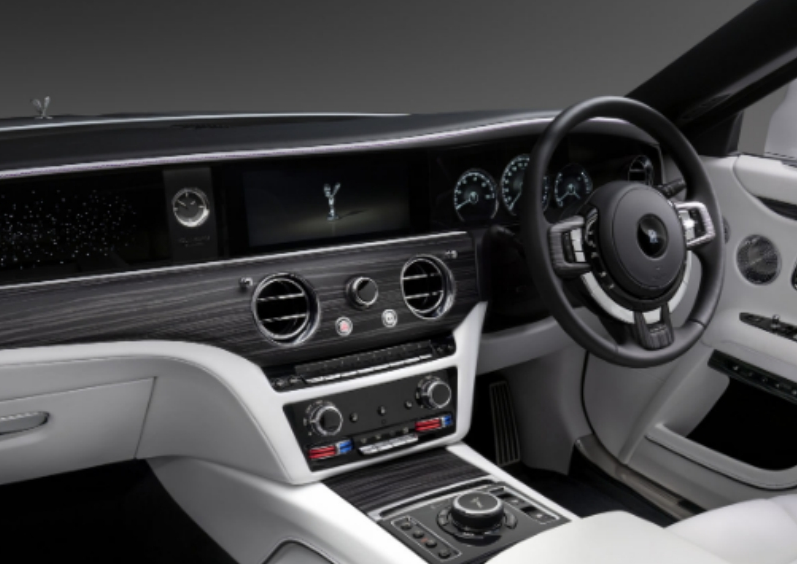
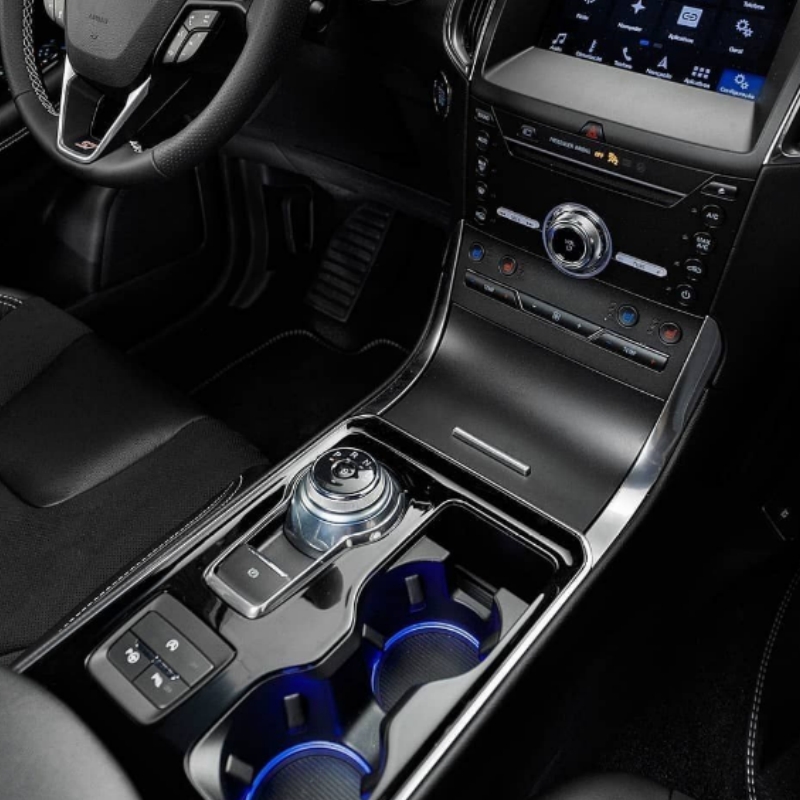
The interior of a vehicle is another critical area where UV coatings are widely used. Automotive interiors, including dashboards, trims, and upholstery, are subject to UV radiation, which can lead to discoloration and fading over time. UV coatings offer protection against UV damage, ensuring that the interior materials retain their color and appearance throughout the life of the vehicle.
In addition to UV protection, these coatings also offer improved scratch resistance, making them ideal for high-touch areas inside the vehicle. Whether on the dashboard, door panels, or steering wheel, UV coatings help keep the interior surfaces looking new and reduce the need for frequent maintenance.
Body Coatings
UV coatings are increasingly used for automotive body coatings due to their high performance and fast curing times. Traditional automotive paints require extended drying times, which can slow down the production process and increase manufacturing costs. UV coatings, on the other hand, cure rapidly under UV light, reducing production time and enhancing manufacturing efficiency.
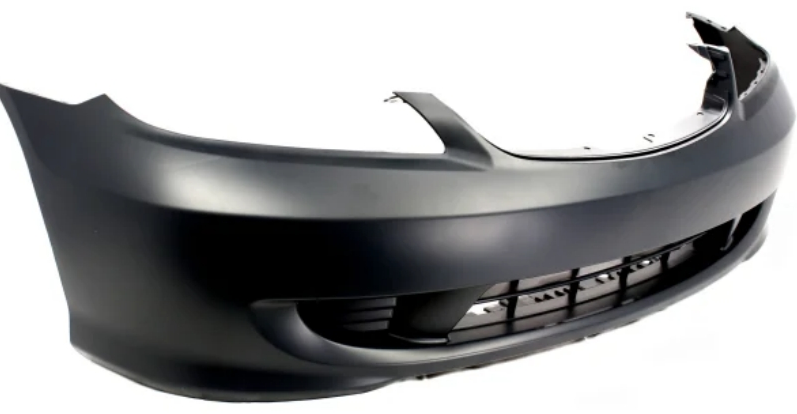
UV coatings applied to vehicle bodies provide a durable, high-gloss finish that resists fading, corrosion, and general wear. These coatings offer superior protection against scratches, chemicals, and abrasion, ensuring that the vehicle's exterior remains pristine for longer periods. Additionally, UV coatings are available in a variety of finishes, including matte and gloss, allowing for customization of the vehicle’s appearance.
#AutomotiveUVCoatings #UVClearCoatings #UVCoatingsForAutomotiveSurfaces
#UVCoatingsForAutomotiveParts #AutomotiveMetalUVCoatings
#EcoFriendlyAutomotiveCoatings #ScratchResistantUVCoatings
#UVCuredAutomotiveCoatings #AutomotiveCoatingTechnology
#UVCoatingsVsTraditionalCoatings #AutomotiveFinishUVCoatings



Contact Us