
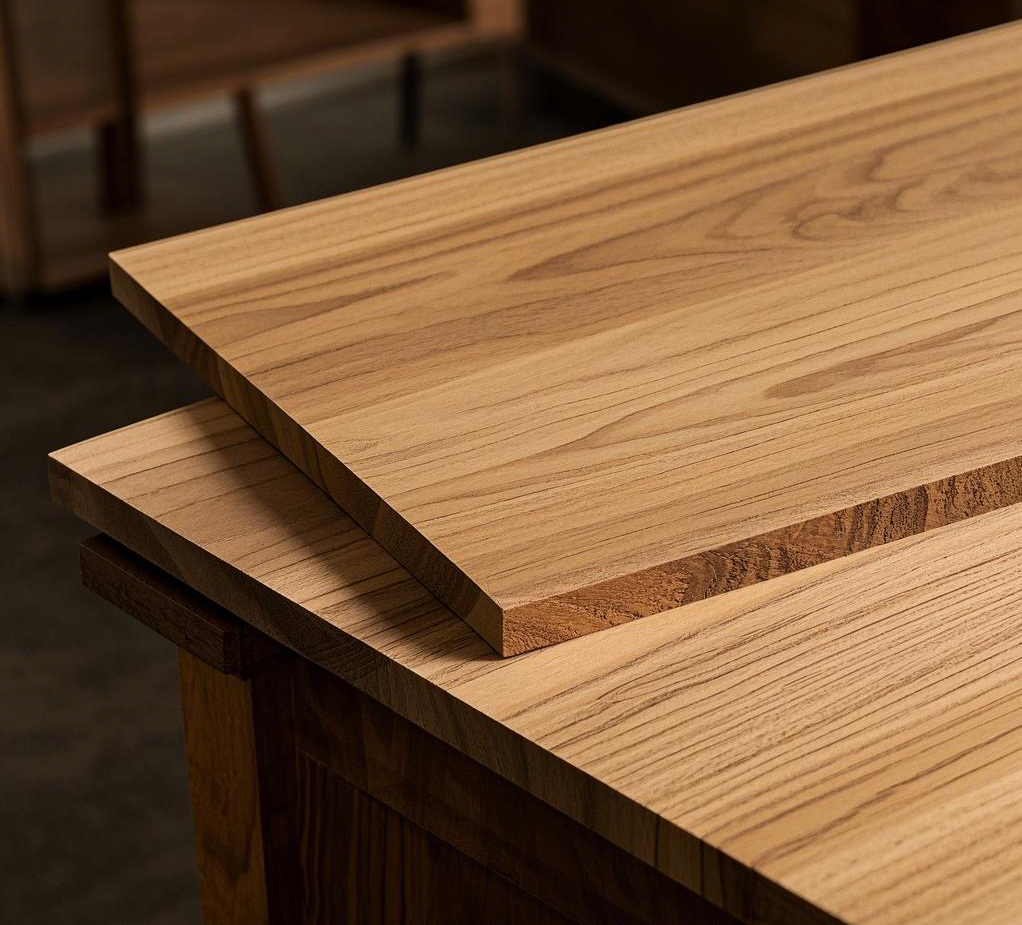
Solid Wood
UV coatings are widely used in the finishing of solid wood surfaces, such as doors, window frames, and other architectural features. The durability and aesthetic qualities of UV coatings make them a popular choice for protecting wood in high-traffic areas. The coatings preserve the natural beauty of the wood while providing superior protection against environmental factors like moisture, dirt, and scratches.
Whether it’s a polished hardwood door or a custom wood panel, UV coatings ensure that the wood maintains its appeal over time. With the quick curing time, manufacturers can complete projects faster, which is especially important in industries where time is of the essence.
Furniture
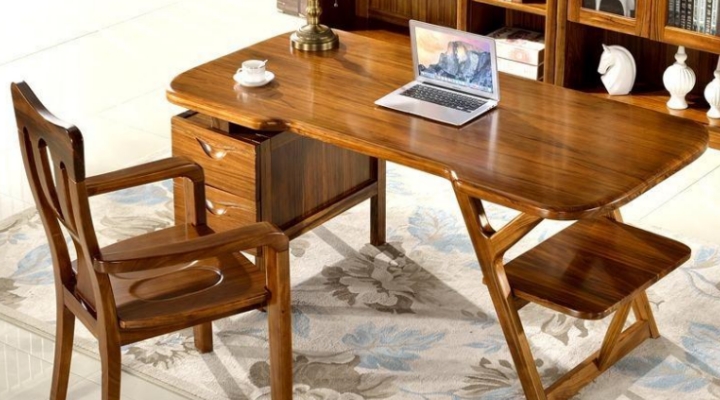
UV coatings are a game changer for the furniture industry, where aesthetics and long-lasting finishes are highly valued. Whether it’s dining tables, chairs, or cabinets, UV coatings provide a glossy, protective finish that enhances the natural beauty of the wood while offering resistance to everyday wear.
UV coatings also allow for consistent and uniform finishes, which is especially beneficial for mass production. Furniture manufacturers can achieve high-quality finishes in less time, with coatings that are resistant to scratches, staining, and fading. The environmentally friendly properties of UV coatings are also an appealing selling point for eco-conscious consumers.
Wood Flooring
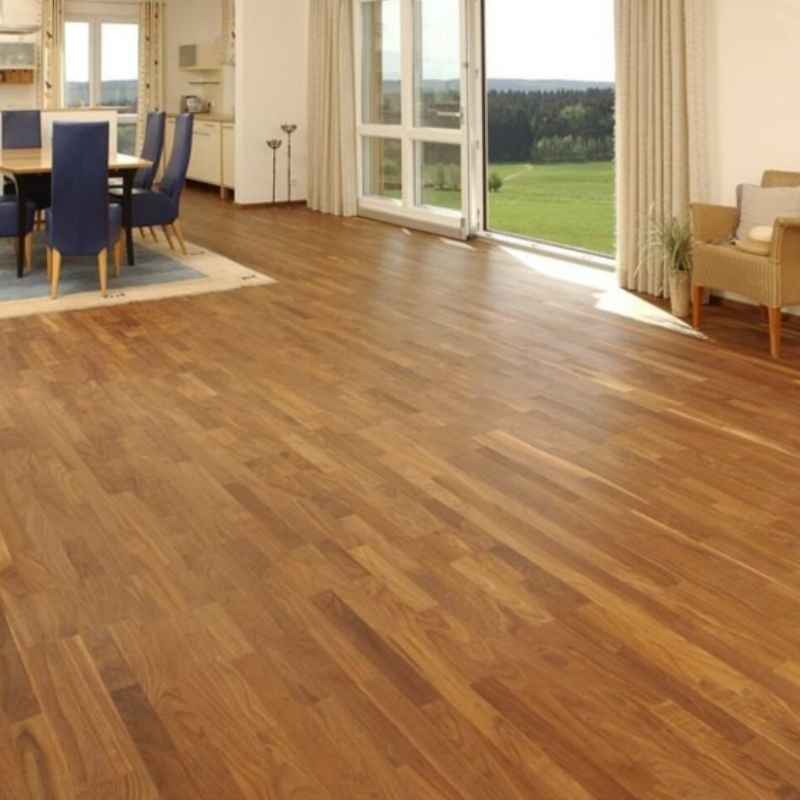
Wood flooring is another area where UV coatings excel. The coatings’ ability to cure quickly and create a durable, wear-resistant surface makes them ideal for protecting floors from daily foot traffic, spills, and cleaning agents. UV wood coatings ensure that floors remain attractive and functional for longer, which is essential for both residential and commercial flooring applications.
The scratch resistance and hardness provided by UV coatings are particularly important in high-traffic areas, where floors are subjected to heavy use. Additionally, the fast curing time enables quicker installation and minimizes disruption during construction or renovation projects.
Key Application Points and Considerations
While UV wood coatings offer numerous benefits, there are some key points and considerations for achieving the best results during application:
Surface Preparation
Proper surface preparation is essential for the adhesion and performance of UV coatings. Wood surfaces must be clean, dry, and free of dust, oils, or contaminants that could interfere with the coating’s bond. Sanding the wood to an appropriate smoothness will also help achieve a uniform coating layer.
For wood floors, it is particularly important to remove any previous finishes or contaminants that could affect the curing process and the final finish. Any imperfections in the surface may result in poor adhesion and reduced durability of the UV coating.
Proper UV Curing Equipment
The curing process of UV coatings requires specialized UV light sources to ensure that the coating cures completely and evenly. The type and intensity of UV light used should be tailored to the specific coating formula being applied. If the UV light is not sufficient or if the curing time is too short, the coating may not cure properly, resulting in a soft or tacky finish.
Manufacturers should ensure they use appropriate UV curing equipment, including UV lamps or UV LED systems, to achieve the best results. Proper calibration of the equipment is necessary to ensure uniform curing and the highest quality finish.
Environmental Conditions
Although UV coatings are quick-drying, environmental conditions such as temperature and humidity can still influence the curing process. It is important to ensure that the wood is in an environment with optimal conditions for curing. Excessive humidity or extreme temperatures can affect the quality of the finish, leading to issues such as inconsistent curing or reduced durability.
Additionally, UV coatings should be stored properly to prevent premature curing or degradation of the resin. Follow manufacturer guidelines for storage and handling to maintain optimal coating performance.
Health and Safety
While UV coatings are environmentally friendly in terms of VOCs, it is still essential to follow safety guidelines during application. Proper ventilation is necessary when working with UV coatings to ensure that no fumes are inhaled. Personal protective equipment (PPE), such as gloves and safety goggles, should be worn during the application process.
It is also essential to consider the photoinitiators used in UV coatings. Some of these chemicals may be sensitive to light, so they must be handled carefully to avoid premature curing or exposure to UV light before application.
Conclusion
UV wood coatings have transformed the wood finishing industry by offering superior durability, environmental benefits, and fast drying times. From solid wood to furniture and flooring, UV coatings provide an ideal solution for high-performance wood finishes that can withstand wear and tear while maintaining a beautiful appearance. By following key application guidelines and ensuring proper surface preparation, UV wood coatings can help manufacturers achieve optimal results and meet the growing demand for eco-friendly, high-quality wood finishes. Whether for residential or commercial applications, UV coatings offer a sustainable and efficient solution to the challenges of wood finishing.
#UVWoodCoatingsBenefits #FurnitureCoatingwithUV #UVCuringTechnologyforWood
#WaterBasedUVWoodCoatings #UVWoodCoatingsforFlooring
#UVWoodCoatingsMarketTrends #EcoFriendlyUVWoodCoatings #DIYUVWoodCoatingsProjects
#IndustrialUVWoodCoatingsSolutions #UVWoodCoatingsDurabilityTesting
#NewAdvancesinUVWoodCoatings #CostEffectiveUVWoodCoatings



Contact Us