
LCD photopolymerization 3D printing is a type of resin-based additive manufacturing technology. It has evolved through three major stages, from SLA (Stereolithography) to DLP (Digital Light Processing), and finally to LCD (Liquid Crystal Display)–based systems. Each iteration represents a shift in light projection methods and cost-performance balance.
Evolution from SLA to DLP to LCD
SLA uses a laser point to cure resin layer by layer, while DLP projects an entire image at once using a digital projector. LCD technology replaces the projector with an LCD panel that selectively transmits light, enabling surface exposure at a lower system cost while maintaining high resolution.
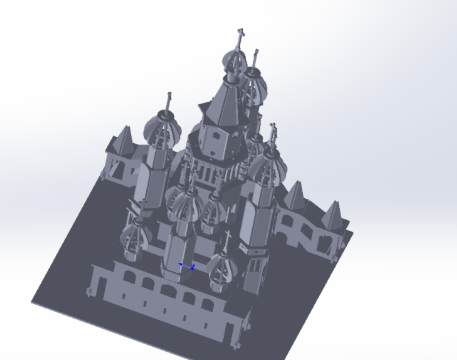
Two Types of LCD 3D Printing by Wavelength
LCD 3D printing can be divided into two categories based on light source wavelength. One uses 405 nm ultraviolet light, while the other operates within the 400–600 nm visible light range. The wavelength directly affects curing speed, resin sensitivity, and overall printing performance.
LCD Masking Photopolymerization Technology
LCD masking photopolymerization uses a 405 nm UV light source, similar to DLP, combined with an LCD panel that acts as a selective light mask. This approach is commonly referred to as LCD masking technology and is also known in the industry by names such as mDLP, LCD-DLP technology, or UV masking curing.
Limitations of LCD Light Efficiency
One inherent limitation of LCD technology is lower light efficiency compared to DLP systems. Even by increasing the intensity of 405 nm UV LEDs or using visible-light LCDs with highly sensitive resins, curing speed still falls short of DLP. For example, curing a 100-micron layer typically takes fractions of a second to a few seconds with DLP, while LCD systems may require tens of seconds.
High Precision and High Resolution
LCD photopolymerization 3D printers commonly use 4K or even 8K resolution LCD panels. This allows them to achieve layer precision of around 100 microns or better. In terms of resolution, LCD technology surpasses early SLA systems and is comparable to desktop-level DLP printers.
Smooth Surface Quality
Because photopolymer resin cures uniformly under controlled exposure, LCD 3D printed parts feature smooth surfaces and fine details. This makes the technology especially suitable for applications that require high visual quality and minimal post-processing.
Fast Printing with Layer-Based Exposure
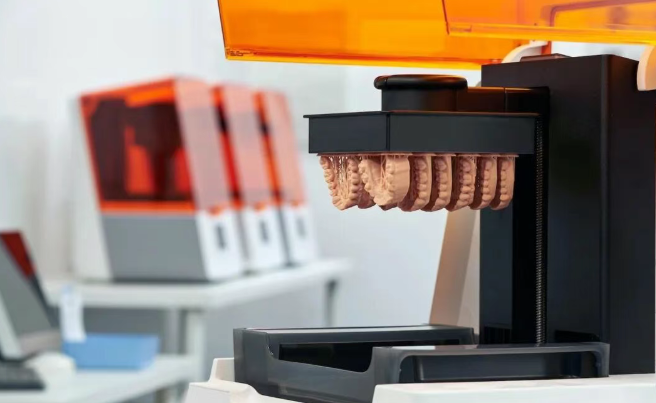
LCD printers use a layer-based exposure method, where each layer is cured simultaneously across the entire build area. This enables multiple models to be printed at the same time without increasing layer exposure time, significantly improving overall productivity.
Simplified Operation and Maintenance
LCD photopolymerization 3D printers are easy to operate, typically requiring only file upload and parameter setup before printing. Their mechanical structure is relatively simple, with no laser galvanometers or complex projection systems, resulting in lower maintenance requirements.
Resin Compatibility and Material Versatility
LCD printers primarily use photopolymer resins, many of which are compatible with resins designed for DLP systems. In some cases, resins originally formulated for SLA printers can also be used successfully, offering users a wide range of material options.
Wide Range of Applications
Thanks to their high precision, smooth surface finish, and efficient production, LCD photopolymerization 3D printers are widely used for prototyping, small-batch parts, toys, dental appliances, jewelry models, and other customized products.
Cost-Effective Manufacturing Solution
LCD 3D printing systems are generally more affordable to manufacture and operate. Their efficiency, ease of use, and material compatibility make them a cost-effective solution for applications such as rapid prototyping and customized dental devices.
#LCD3DPrinting #Photopolymerization #Resin3DPrinting #AdditiveManufacturing #SLA3DPrinting #DLP3DPrinting #UVResin #HighResolution3DPrinting #RapidPrototyping #Dental3DPrinting


Contact Us