
A few years ago, we met a small design studio that specialized in making custom figurines. Their clients often asked for limited editions or complex shapes, but traditional mold-making was costly and slow.
They needed a faster, more affordable way to move from design to final product—without sacrificing quality. That’s when they discovered the power of combining 3D printing with silicone mold replication.
Let’s see how this approach is changing the way custom products come to life.
The Magic Behind Mold Replication
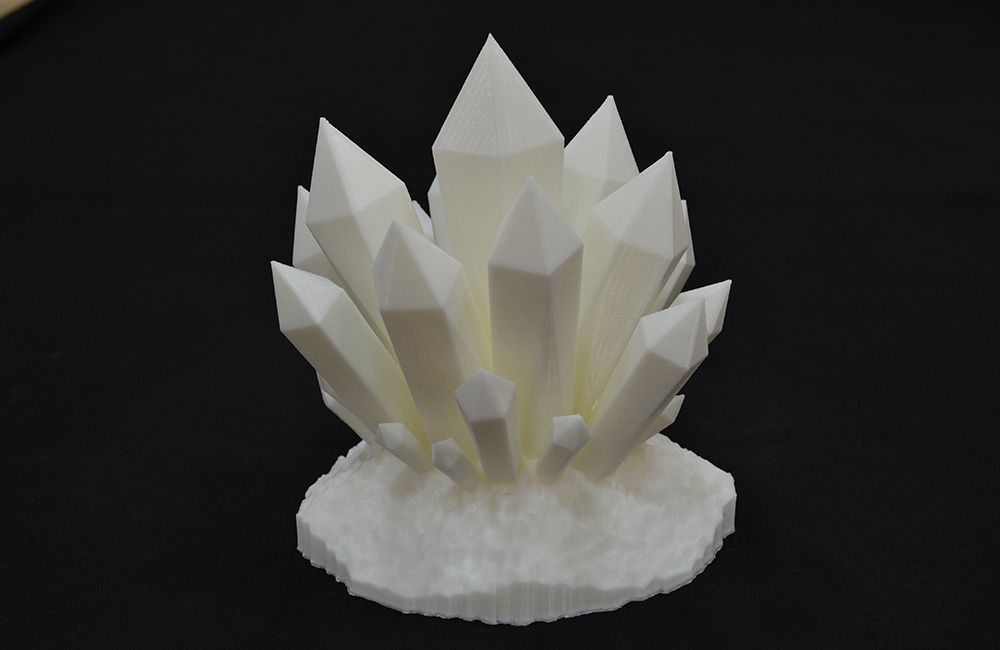
Instead of machining a metal mold—which can take weeks and cost thousands—a prototype can be 3D printed in hours using SLA, DLP, or LCD resin printers.From there, the 3D printed master is used to make a flexible silicone mold. This mold can then reproduce dozens or even hundreds of resin copies with consistent detail.The result? Designers and manufacturers can quickly test new shapes, create small production runs, and reduce time-to-market—all without the huge investment of traditional tooling.
Why Use 3D Printed Masters?
1. Incredible detail
Modern 3D printers can capture fine surface textures and small logos, which transfer directly to the mold and the final part.
2. Cost-effective
Perfect for short-run production or prototyping, mold replication helps avoid the expense of CNC machining or steel tooling.
3. Design flexibility
It’s easy to adjust designs, reprint the master, and create a new mold without starting over from scratch.
4. Faster turnaround
From digital model to mold to finished product, the entire cycle can take just a few days.
From Concept to Finished Part
In the case of the figurine studio, the workflow looked like this:
3D design → 3D printed master → Silicone mold → Multiple resin casts → Hand-finishing & painting
Thanks to this process, they could launch limited editions and respond quickly to new trends. Even small design tweaks—like changing a pose or facial expression—could be done in-house and tested immediately.
Not Just Figurines: Wide Applications
Mold replication with 3D printed masters isn’t just for collectibles. It’s used in:
Product design: Testing ergonomic handles or case prototypes
Architecture: Creating facade details or miniature models
Medical training: Producing realistic organ models
Jewelry: Casting resin masters before moving to metal molds
Everywhere speed and flexibility matter, this process adds real value.
Small Details, Big Impact
One overlooked detail is the choice of UV-curable resin for the master. The right resin must balance hardness (to hold detail) and flexibility (to avoid breaking when removing the mold). Surface finishing—like sanding or priming—also makes a big difference in the final cast’s quality.
These small choices separate an ordinary replica from a product that truly impresses.
Ready to Transform Your Prototyping?
By combining 3D printing and mold replication, creative teams can prototype faster, customize more easily, and bring better products to market—without waiting weeks or draining budgets.
Curious how this process could work for your next project? Feel free to get in touch. Let’s build something remarkable together.
#3DPrinting #MoldReplication #SiliconeMold #3DPrintedMaster #ResinCasting #RapidPrototyping #ShortRunProduction #CustomFigurines #ProductDesign #FastPrototyping #LowVolumeManufacturing #PrototypeToProduction #3DPrintingApplications #CreativeManufacturing #SmallBatchProductio



Contact Us