
In industries like decorative printing, automotive interiors, and home appliances, there’s a small but critical step that shapes both the final look and feel of a product: choosing the right transfer adhesive. Today, thanks to advances in UV curing technology, manufacturers have two powerful tools at their disposal — UV soft transfer adhesive and UV hard transfer adhesive. Rather than being competing products, these adhesives work together to help brands achieve a balance between flexibility, visual appeal, and durability.
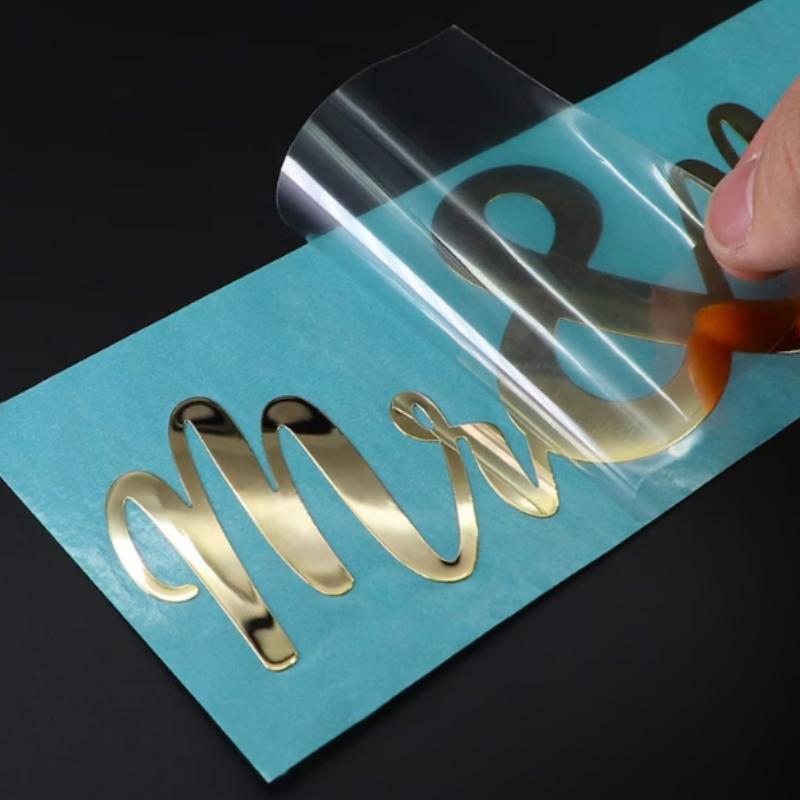
What Makes UV Transfer Adhesives Special?
Unlike traditional solvent-based or heat-activated adhesives that can take hours to dry and often release high levels of VOCs, UV transfer adhesives cure instantly under ultraviolet light. This instant curing process not only speeds up production but also helps keep printed designs sharper and more vibrant, thanks to the adhesive’s high transparency. The move to UV adhesives is part of a broader industry shift toward greener, faster, and cleaner manufacturing processes that don’t compromise on quality.
Choosing Between Soft and Hard: It’s About Application, Not Preference
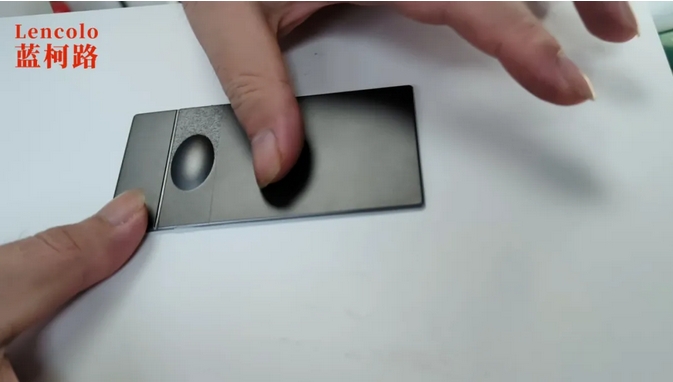
UV soft transfer adhesive cures into a slightly elastic, flexible layer that’s perfect for products requiring bendability or impact resistance, such as curved panels, TPU films, and synthetic leather. By absorbing stress and movement, the soft adhesive layer helps prevent cracks, bubbles, or peeling over time. On the other hand, UV hard transfer adhesive forms a firm, high-gloss surface with superior scratch and chemical resistance. This makes it an ideal choice for flat or rigid parts like PET decorative films, glass panels, or control panels where a sleek finish and durability are critical. In practice, many products use both adhesives strategically — for example, applying soft adhesive on the edges or curved areas, and hard adhesive on flat surfaces that see more wear.
Why More Brands Are Making the Switch
Beyond production speed, UV transfer adhesives bring a range of benefits that align with modern market demands. Their low VOC content supports sustainability goals and makes it easier to meet strict environmental regulations, which is increasingly important for global brands. At the same time, the adhesives’ clarity and thinness help designers keep fine details intact, ensuring that graphics and colors remain vivid and true to the original design. Perhaps most importantly, these adhesives can bond to a wide range of materials — from plastics and metals to glass and flexible films — giving manufacturers more freedom to innovate across different product lines.
Advancements That Make a Difference
The latest generations of UV transfer adhesives are more than just “glue.” Formulators have refined them to cover a broader hardness spectrum (like Shore A40–90), improve resistance to yellowing and moisture, and increase performance at higher temperatures. These improvements mean that products not only look better out of the box but also withstand everyday use, weather changes, and even rigorous quality tests without losing their appearance or performance.
The Best Results Come from Balance
UV soft and hard transfer adhesives each bring unique strengths: softness and flexibility where a product needs to bend or absorb impact, and hardness and scratch resistance where a glossy, durable surface is critical. By combining them, manufacturers can offer products that feel premium in the hand, stand out visually on the shelf, and last longer in real-world use — all without sacrificing efficiency or sustainability.
Curious about how UV transfer adhesives could elevate your next project?
Let’s explore how the right adhesive solution can turn design ideas into products customers can truly see and feel.
#UVTransferAdhesive #SoftVsHardAdhesive #UVPrinting #UVAdhesive #FlexibleAdhesive #HighGlossFinish #DecorativeFilm #AutomotiveInteriors #EcoFriendlyAdhesive #FastCuringTechnology



Contact Us